
How to Read a Bank Statement: A Beginner’s Guide to Everyday Banking
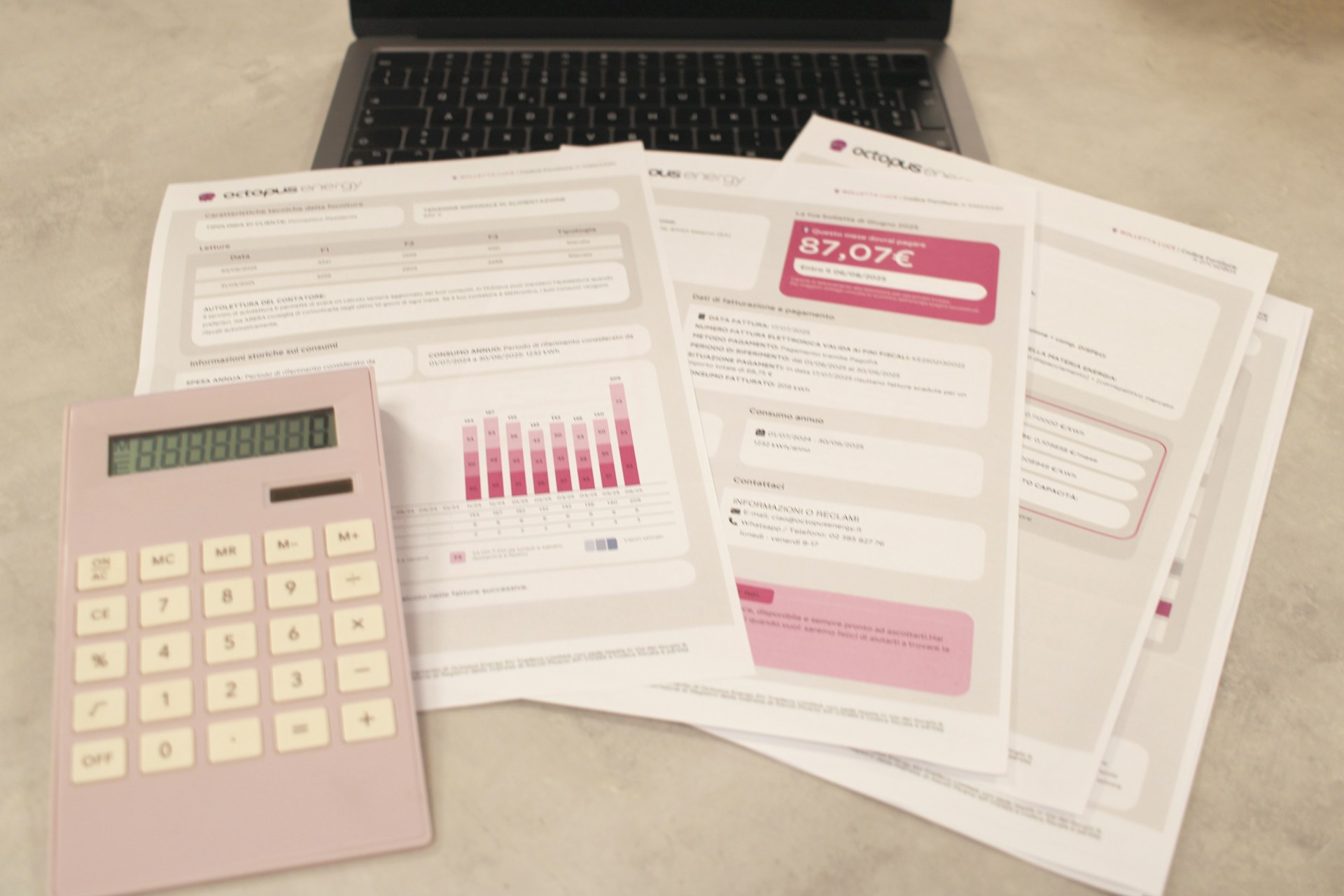
A bank statement is a record of activity in a bank account over a particular period. It shows money coming in, money going out, and how the account balance changes. Although statements may look complicated at first, learning to read them is a useful everyday skill. Whether you are checking a salary payment, reviewing a purchase, or understanding a bank fee, the same basic information appears on most statements. This guide explains common terms and practical ways to review a statement with confidence.
What Is a Bank Statement?
A bank statement is usually issued monthly, although many banks also let customers view recent transactions at any time through online or mobile banking. Statements typically identify the account holder, the statement period, and a summary of account activity. They may be available as downloadable PDF documents, printed copies, or secure digital records. The exact layout varies by bank and country, but the purpose is similar: to provide a clear history of transactions recorded in the account.
Find the Statement Period and Account Details
Start at the top of the document. Check the statement start and end dates to know which transactions are included. Confirm that the name and account details match the account you intended to review. Some banks display only the final digits of an account number for privacy. A statement covering October, for example, may not show a purchase made in November. Keeping the date range in mind helps avoid confusion when comparing statements or looking for a particular payment.
Understand Opening and Closing Balances
The opening balance is the amount shown at the beginning of the statement period. The closing balance is the amount shown at the end, after the recorded activity has been applied. Between those two figures, deposits generally increase the balance, while withdrawals, purchases, transfers out, and fees generally reduce it. Some banks distinguish the current balance from the available balance, which may reflect pending transactions or holds. These amounts can differ temporarily, so check the labels rather than assuming they mean the same thing.
Learn the Common Transaction Labels
Each transaction line usually includes a date, a description, and an amount. A credit or deposit often represents money added to the account, such as wages or a refund. A debit or withdrawal generally represents money taken out, such as a card purchase or bill payment. You may also see labels such as ATM withdrawal, direct debit, standing order, transfer, interest, or service charge. Terminology differs among banks, so use the bank’s glossary or support information when an abbreviation is unclear.
Review Fees and Recurring Payments
Bank statements can reveal charges that are easy to overlook. These may include account maintenance fees, ATM charges, overdraft fees, or other charges described in the account terms. Recurring payments, such as subscriptions and utility bills, may appear around the same time each month. Reading these entries helps you understand what has been charged and when. If a fee seems unfamiliar, compare it with your account agreement and contact the bank for an explanation rather than guessing at its purpose.
Check for Errors and Unfamiliar Activity
Compare statement entries with receipts, invoices, and payment confirmations when available. Look for duplicate charges, unexpected amounts, unfamiliar merchants, or transfers you do not recognize. A merchant’s statement name may differ from its storefront name, so investigate before concluding a charge is incorrect. If an entry still seems suspicious, contact your bank promptly through its official website, app, or published phone number. Never share passwords, one-time verification codes, or full card details with someone who contacts you unexpectedly.
Keep Statements Organized and Private
Statements contain sensitive financial information, so store them carefully. Download documents only through trusted banking channels, use strong account passwords, and avoid leaving printed statements in public places. If you keep digital copies, choose a secure location and give files clear names that include the month and year. Retention needs depend on personal circumstances and local requirements. Organized records can make it easier to answer questions about past transactions without repeatedly searching through messages and receipts.
Conclusion
Reading a bank statement is a practical financial literacy skill that becomes easier with practice. Start with the dates and account details, compare the opening and closing balances, and then review individual deposits, withdrawals, and charges. Checking statements regularly can improve your understanding of everyday banking and help you notice questions that deserve a closer look. The goal is not to memorize every banking term, but to become comfortable interpreting the information your bank provides.